Our approach
Cine comunitario
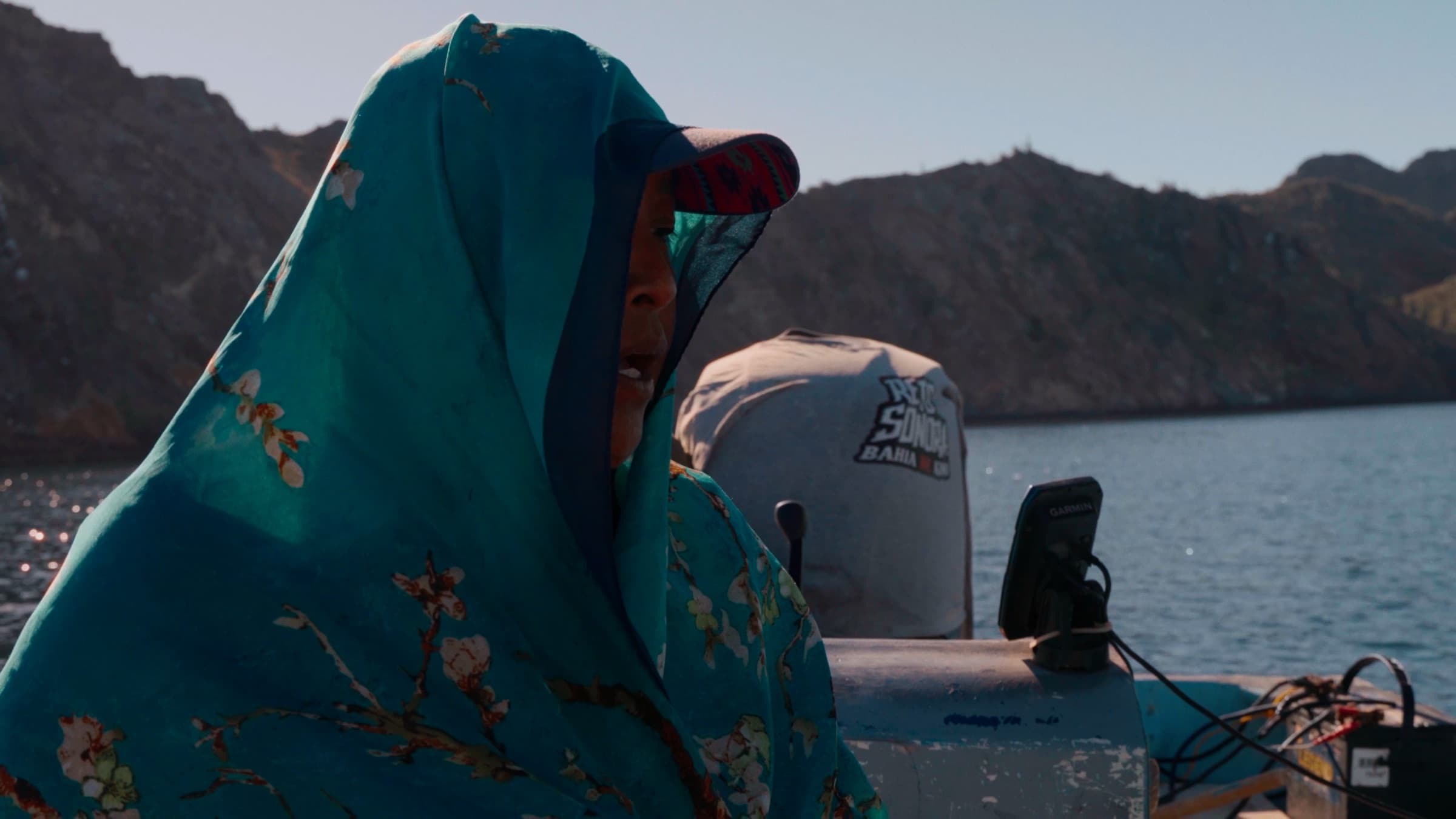
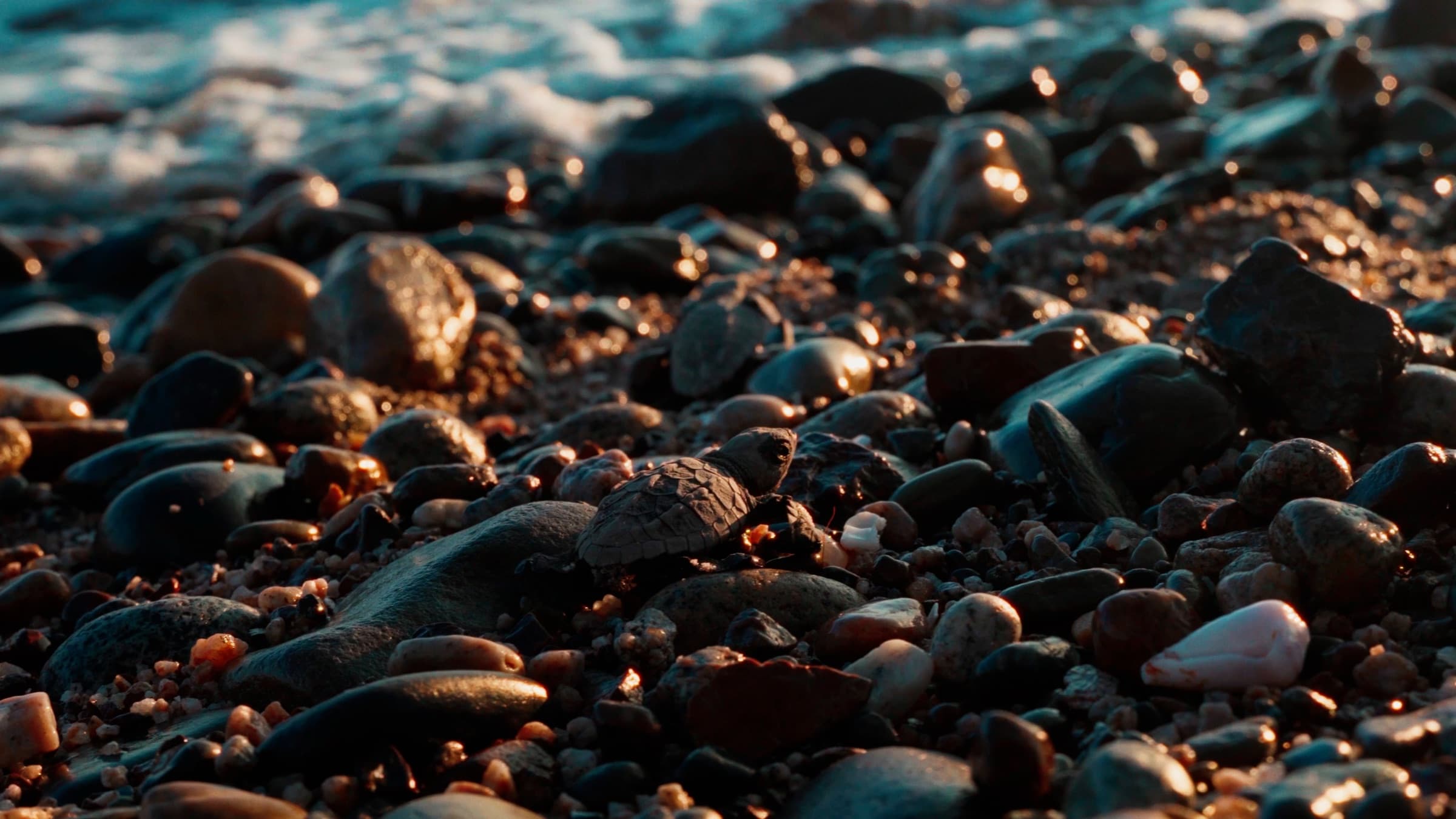
Our work has two main focus areas: using storytelling to shift how people see themselves in relation to collective and legal action, and inspiring action to support the Whales’ lawsuit. To do this, we implemented cine comunitario (community cinema workshops). In this process, we begin by filming in the community, and then return with a rough cut of the documentary. Together, over sodas and carne asada, we watch the film and open a collective dialogue: What did it feel like to watch your story? What should be changed, removed, or added? We incorporate this feedback into the next cut, return again, and repeat the process, ensuring that the story is not only about the community, but shaped by them.
Through our community workshops, participants are not only represented — they engage with their own stories, reflect on them, and reshape them. This process has already led to tangible changes. Mayra, the leader of turtle conservation in the Comcáac community, was initially hesitant to publicly oppose the Saguaro Project; however, after seeing her community represented in the documentary, she decided a public opposition to the project was necessary. Beto, another conservation leader, shared that his work protecting sea turtles had begun to feel routine and undervalued; seeing his story on screen helped him reconnect with its importance. Edgar, a young member of the Comcáac Nation, expressed pride in both his ecosystem and his family’s conservation work after watching the film.
Our storytelling is informed by our worldview that communicating from a place of love inspires action. Rather than approaching the climate crisis with apathy and despair, we focus on the people already protecting nature and the joy that sustains their work. We want, and therefore, create, storytelling that is not extraction, but a tool that can strengthen civic participation and legal defense.
Along with the legal team at Nuestro Futuro, we designed Cartas de Guardianes del Golfo (Letters of the Guardians of the Gulf), documents outlining the importance of the Gulf of California and the threats to its health. Additionally, we are innovating by being the first team in Mexico to submit art as evidence for why the Gulf of California should be protected. After seeing Guardianes, we want every viewer to sign our support letter and make a piece of art that shows how they feel about the Gulf of California, the whales and the communities that depend on the area. All of these elements will then be turned into the lawsuit as evidence, adding to the more than 6,000 pieces of community evidence that have been submitted to date. Additionally, our documentaries inspire action in the legal process by deepening relationships with community leaders and local activist networks.